Concrete Repair & Replacement
Expert concrete repair and replacement services to restore damaged surfaces and extend their lifespan.
When to Repair vs. Replace Concrete
Cracked, sunken, or crumbling concrete is more than just an eyesore. It creates safety hazards, reduces property value, and only gets worse over time. When you notice problems with your concrete surfaces, you face an important decision: should you repair the existing concrete or replace it entirely? The answer depends on the extent and type of damage.
At MonarchHill Henderson Concrete, we provide honest assessments of concrete damage. Professional concrete repair requires expertise in evaluating structural issues and selecting the right repair methods. We will not recommend replacement when repair will do the job, and we will not waste your money on repairs that only delay the inevitable. Let us walk you through how we evaluate concrete and recommend the best solution for your situation and budget.
Minor surface cracks, small chips, and shallow spalling can often be repaired effectively. These repairs extend the life of your concrete by 5 to 10 years or more at a fraction of replacement cost. However, extensive cracking, significant settling, structural damage, or deterioration affecting more than 30 percent of the surface usually means replacement makes more sense. Whatever the situation, working with an experienced concrete contractor ensures you get an honest assessment rather than an upsell toward whichever option costs more. Replacing severely damaged concrete gives you a fresh start with properly prepared base, correct thickness, and modern reinforcement techniques.
Common Concrete Problems We Fix
Concrete damage comes in many forms, each requiring different repair approaches. Understanding what went wrong helps prevent the same problems from recurring. Here are the most common issues we see in Henderson, KY:
Typical Concrete Problems:
- Surface cracks from shrinkage or thermal expansion
- Structural cracks indicating foundation settlement or movement
- Spalling and flaking caused by freeze-thaw cycles or salt damage
- Sunken or settled sections from soil erosion or poor base preparation
- Discoloration and staining from oils, rust, or efflorescence
- Scaling and surface deterioration from improper finishing or curing
- Trip hazards where sections have settled unevenly
- Deteriorated joints allowing water infiltration
Cracks are the most common complaint. Not all cracks are created equal. Hairline cracks less than one-eighth inch wide are usually cosmetic and can be sealed to prevent moisture penetration. Wider cracks or cracks that continue to grow indicate structural issues that need more extensive repair. We evaluate crack patterns, widths, and locations to determine the underlying cause.
Spalling, where the concrete surface flakes or chips away, typically results from water getting into the concrete and freezing. The repeated freeze-thaw cycles cause internal pressure that breaks apart the surface. This is common in our climate. Repairing spalled concrete involves removing loose material, applying bonding agents, and resurfacing with repair mortar. For extensive spalling, replacement may be more cost-effective than repair.
Our Concrete Repair Process
Successful concrete repair requires proper diagnosis, quality materials, and skilled execution. We do not slap patch over problem areas and call it good. Our repair process ensures long-lasting results that blend with the existing concrete.
First, we thoroughly assess the damage. We look beyond the obvious cracks or chips to understand what caused the problem. Is the base failing? Has the soil settled? Is water pooling and causing freeze-thaw damage? Understanding the root cause lets us address it during repair so the problem does not return.
Next, we prepare the damaged area properly. This means removing all loose or deteriorated concrete, cleaning the surface thoroughly, and creating proper edges for the patch. For cracks, we often widen them slightly to create a reservoir for the repair material. This preparation step is critical. Patch material applied over loose concrete or dirty surfaces will not bond and will fail quickly.
We use professional-grade repair materials matched to your existing concrete. For structural repairs, we may install new reinforcement. For surface repairs, we apply bonding agents before placing repair mortar. The repair material is carefully placed, compacted, and finished to match the surrounding surface as closely as possible. After repair, we apply curing compound to ensure the patch gains full strength.
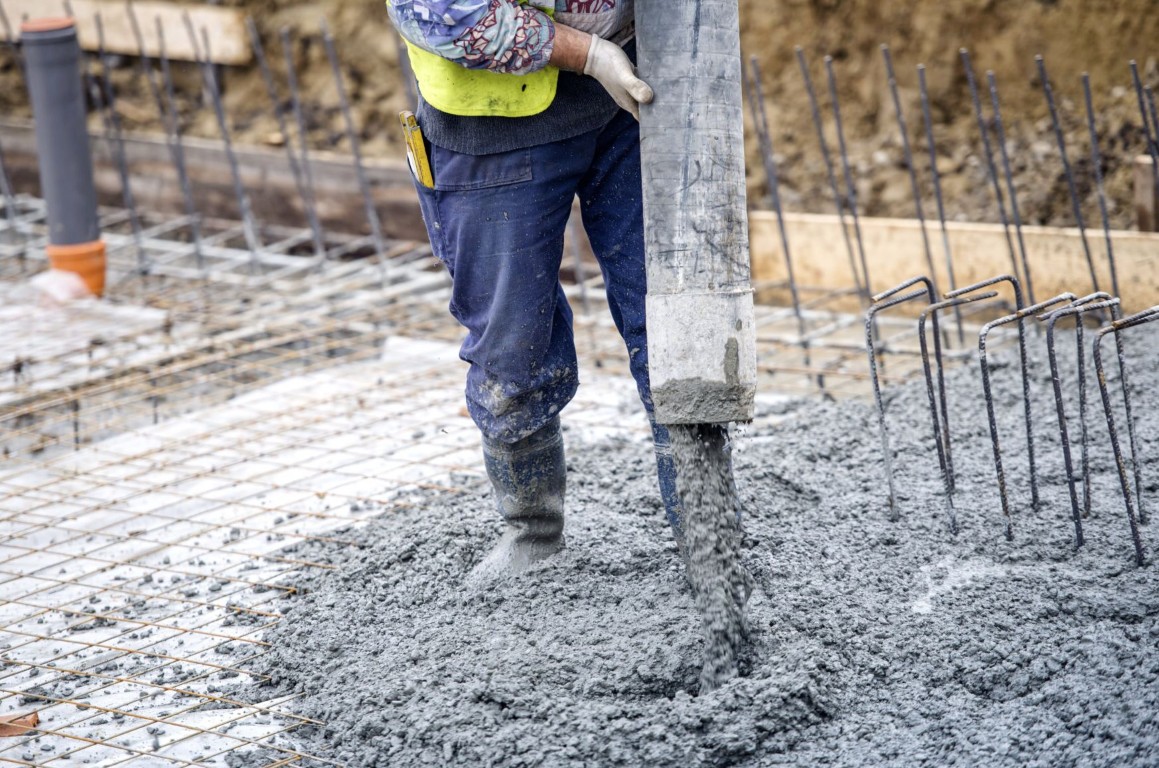
For replacement work, we remove the damaged section completely, address any base or drainage issues, and pour new concrete following the same quality standards we use for new driveway installation. The new section is properly reinforced and tied into the existing concrete where appropriate. While you may notice a slight color difference initially, concrete weathers and the difference fades over time.
Concrete Repair Questions and Answers
Deciding between repair and replacement involves several factors. Here are answers to questions we hear regularly from Henderson homeowners. Call us at (270) 517-6969 for a free evaluation of your concrete.
Get Expert Advice on Your Concrete Issues
Not sure if your concrete needs repair or replacement? We provide free assessments and honest recommendations based on your specific situation and budget.